Prologue: The Seeds of Legacy
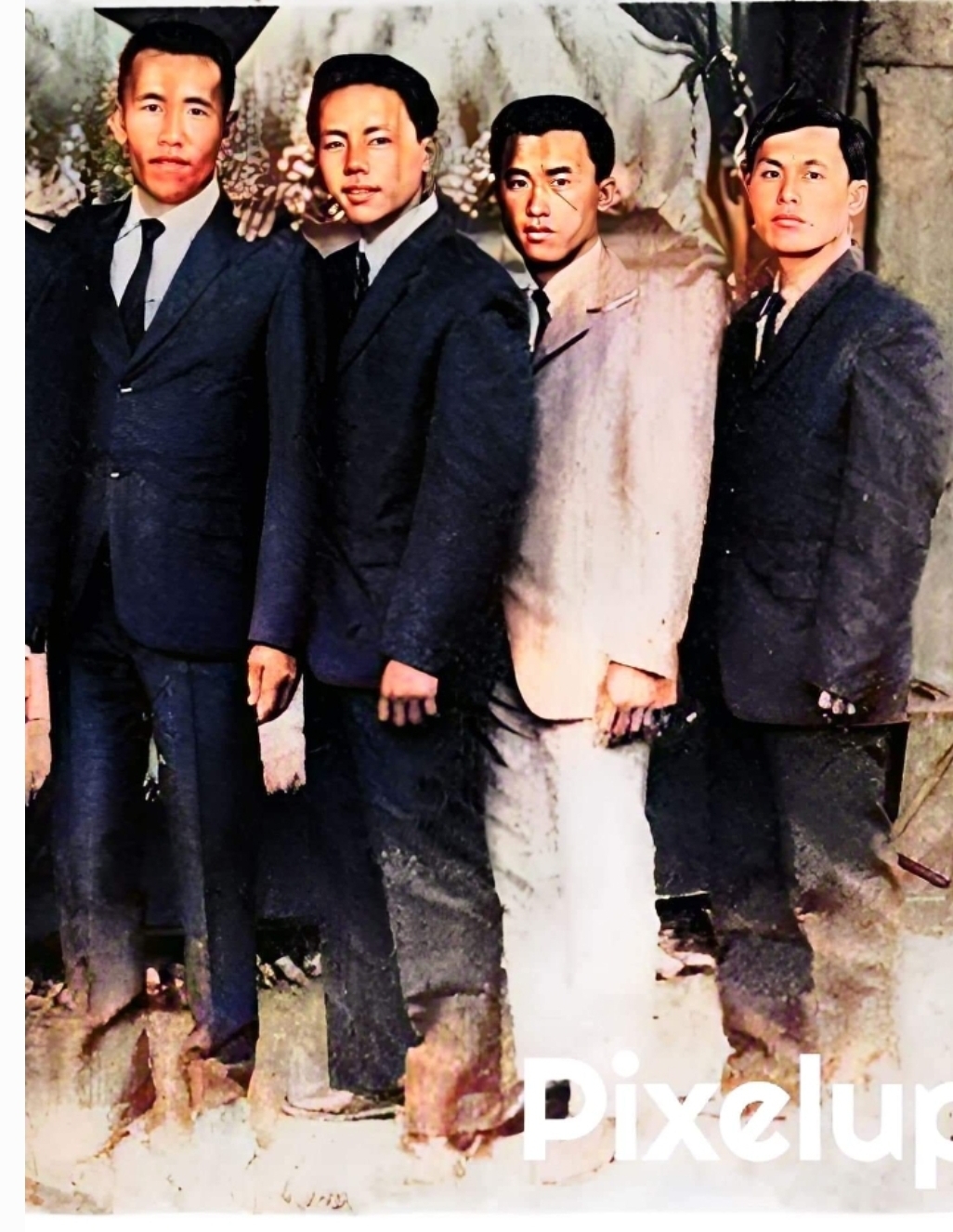
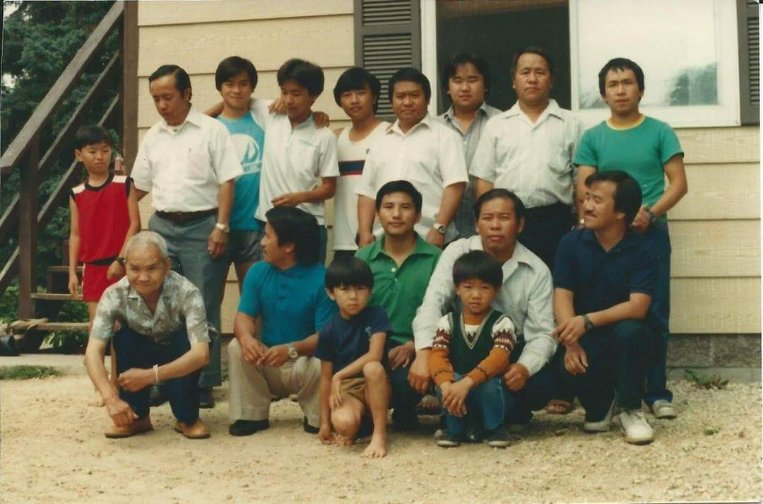
In the mist-shrouded mountains of Laos, where the ancient spirits whispered through the trees and the rivers ran swift and clear, a story began. It was a tale of love and courage, of sacrifice and dreams, a legend that would echo through the generations like a celestial symphony. Chong Kao Vang and Houa Lee, their hearts entwined by the threads of destiny, gave life to seven sons, each one a shining star in the tapestry of their lives. Sia Shoua, the eldest and the caretaker; Vang Neng, the scholar and the dreamer; Doua Pao, the guardian of tradition; Tou, the adventurer; Bee, the bridge builder; Hue, the masterful trap artist; and Teng, the youngest, full of promise and potential. As the brothers grew, they took wives and started families of their own, each one adding a new chapter to the ever-expanding story of the Vang clan. All but Bee and Teng started families in Laos. And with each new generation, the legacy of Chong Kao Vang and Houa Lee grew stronger, like a mighty tree with roots that ran deep into the earth. From the seven sons, came 24 sons:
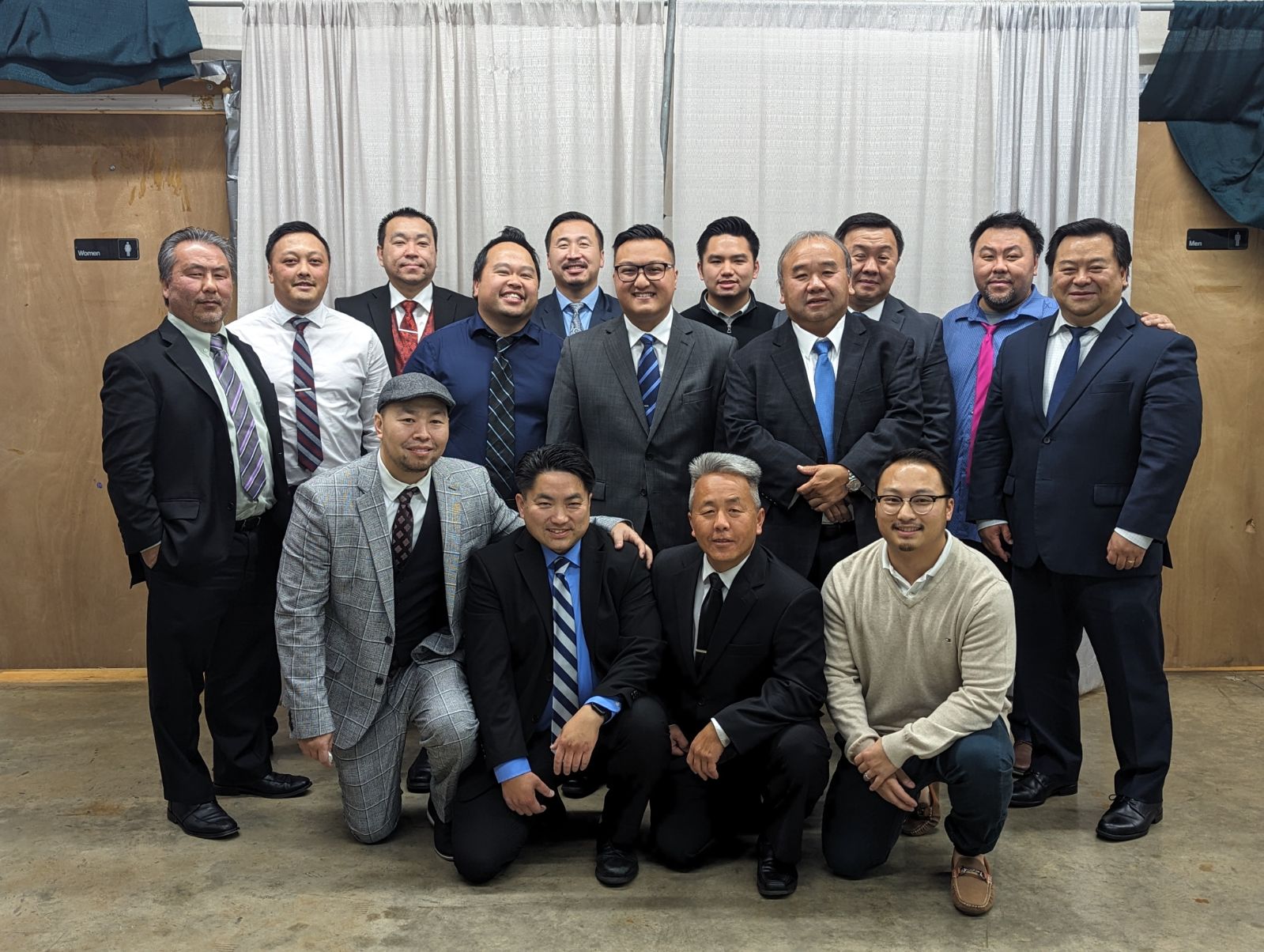
Sia Shoua Vang's sons - Kou, Kao, Chue, Choua, Chong, and Caws
Vang Neng Vang's sons - Fong, Ying, Fue, Tom, Tou Xao, Wong, Touger, Bong, and Thai
Doua Pao's sons - Pheing, Lee Yia, Amen, and Mong
Bee Vang's sons - Lucky and Shatt
Teng Vang's sons - Nushi and Chi Nou
And Hue Vang's son - Zong
These were the 24 sons of the seven brothers, a new generation born to carry on the legacy of their forefathers. They were the inheritors of a dream, the guardians of a promise, and their story was just beginning.
Chapter 1: The Gathering Storm
As the winds of war began to blow through the jungles of Laos, the seven brothers knew that they could not remain idle. They had heard the whispers of the coming conflict, seen the signs of the gathering storm, and they knew that they would be called upon to defend their people and their way of life. Chong Kao Vang, his eyes heavy with the weight of wisdom and worry, gathered his sons to him, his voice low and urgent as he spoke. "The time has come, my sons," he said, his gaze drifting to each of their faces in turn. "The enemy is at our doorstep, and we must rise to meet them. But remember, always, that our strength lies not in our weapons or our might, but in the bonds of love and family that unite us."
The brothers nodded solemnly, their hearts heavy with the knowledge of what was to come. They knew that the path ahead would be fraught with danger and sacrifice, that they would be tested in ways they had never been tested before. But they also knew that they had each other, that the unbreakable ties of brotherhood would sustain them through even the darkest of times. And so, with heavy hearts and steely resolve, the seven brothers prepared for war. They would serve under General Vang Pao, the legendary Hmong general recruited by the CIA to fight its secret war in Laos. And it was he who would be responsible for recruiting the Hmongs such as the 7 brothers to join his cause. The second oldest, Vang Neng Vang, would become Lieutenant Colonel in the Laos army and serve as General Vang Pao's right-hand man. Under the guidance of the CIA, they set out to meet their destiny head-on.
Chapter 2: The Crucible of War
In the dense, suffocating jungles of Laos, the brothers fought alongside their fellow Hmong brothers their bodies and souls forged in the crucible of war. They moved as one, their hearts beating in unison, their minds and spirits united by the bonds of love and duty, as they desperately fought against a far more formidable enemy. Together, they fought and bled, their sacrifices, and their triumphs, woven into the very fabric of their beings. They endured the searing heat and the drenching rains, the biting insects and the relentless march of time, all for the sake of the dream that had been passed down to them by their father and mother. But even in the midst of the chaos and the carnage, the brothers never forgot the reason for their struggle. They fought not for glory or for gain, but for the sake of their people, for the future of their children and their children's children. They fought so that the Hmong might live in peace and freedom, so that the legacy of their ancestors might endure for generations to come. And so, as they fought alongside one another, they also died alongside one another. Father's buried sons, and sons buried fathers. War had come to the Hmong, a people who learned to fly before they knew how to drive. It spared no one. In one grave lay a grandfather, a father, and his son. Here lay three generations of Hmong. Such was the story for many a Hmong family. Eventually, the CIA and its secret war would leave as abruptly as it came, leaving Chong Kao Vang and his 7 sons to fend for themselves.
Chapter 3: The Price of Freedom
It was during a daring mission to lead a group of about 200 family members to freedom in Thailand that the brothers faced their greatest test. Sia Shoua Vang and his brother-in-law Ger Xiong, along with a contingency of hired hands would embark on the dangerous journey to lead this group of 200 men, women, and children through the treacherous jungle of Laos into neighboring Thailand. Among the members of this group were the matriarch and patriarch of the Vang family, Houa Lee and Chong Kao Vang, Sia Shoua's entire immediate family, Ger Xiong's entire immediate family, and younger brother Hue Vang and his entire family. It would be especially challenging for Hue Vang because as an infant, he was stricken with poliomyelitis which prevented one of his legs from forming properly. This made any form of traveling extremely hard for him, especially if it involved long distances. Because it was fraught with danger, absolute stealth was a requirement and this meant the force feeding of opium to young children to put them to sleep so as to not allow them to cry.
But the enemy was hot on their heels; the Pathet Laos forces were determined to crush the fleeing Hmong under the weight of their superior numbers and firepower. On an early morning in an abandoned Hmong village, the sound of gunfire and explosions broke the morning silence sending people running in all directions. The Pathet Laos forces were raining down mortar rounds from a high vantage point. It was then that tragedy struck. A mortar round, its aim cruel and precise, exploded near the group, sending shrapnel and debris flying in all directions. Hue Vang, the 2nd youngest of the seven, was hit, his body torn asunder by the force of the blast. Sia Shoua, his heart racing with fear and desperation, rushed to his brother's side. With his good leg severely injured by shrapnel, Hue insisted on staying behind to try to hold back the enemy for as long as he could to buy them time. He asked his father for his M1 Carbine, and with great sadness, his father, Chong Kao Vang relinquished his rife to his son, knowing he'd never see him alive again. "Leave me behind. I can go no further. I will kill as many as I can before they kill me," said Hue to his father and older brother. With tears in their eyes, they left Hue behind with an M1 Carbine rifle and a couple of magazines of ammo.
In the dark of night, Sia Shoua Vang, Chong Kao Vang, and Ger Xiong slipped back down the mountain, their hearts heavy with the weight of their grim task. Upon reaching the ambush site, they found Hue's body where he had fallen, his body cold and still amidst the carnage of the battlefield. The three men collapsed on top of his body and sobbed like babies as the flood gates opened and a torrent of river poured out from the inner depths of their souls. Here lay the lifeless body of their courageous brother and son. He had fought and beaten poliomyelitis which left him with a severely deformed leg which hindered any kind of movement, but he never let it stop him. He was very loving and mild mannered. What he lacked in physical ability, he made up for in sheer mental fortitude. Around him lay the bodies of the Pathet Laos soldiers who succumbed to the will of Hue's iron will and determination. Against overwhelming odds, and badly wounded, he fought to the very last bullet. To his right side lay two spent M1 carbine magazines and next to in his blood-covered right hand lay his traditional Hmong knife completely covered in blood. Always at his side, tied to his waist, was his beloved knife that went with him everywhere. It was obvious that he had spent his final round and defended himself like a warrior with his knife, the only weapon he had left at his disposal. The blood-soaked Pathet Laos soldiers whose lifeless bodies that lay beside him are all the evidence one needs to know what transpired here.
Hue had fought valiantly to the very last breath. Here lay his lifeless body. Chong Kao Vang held his son for the last time. With tears streaming down his face, he called the ancestors to take his son home. Sia Shoua Vang knelt beside his baby brother and told him he was sorry he was not able to protect him. All his life, he'd done that, and on this day, he failed to shield his baby brother from the onslaught that took them all by surprise. He cried his heart out and told his baby brother they would see one another again. At Hue's feet, knelt Ger Xiong, the brother-in-law to both men, and the son-in-law of Chong Kao Vang. Ger Xiong was no ordinary man. He had the strength of an ox and was a practical jokester. His laughter could be heard from one mountain to another as it leaped across the valleys below. He was a good man, a diligent man. He was strict, but he was loving. He had a heart of gold and had chosen to come live with his in-laws. When it came to working the fields, he could do the work of three men! And here he was, a broken man. He caressed the feet of his beloved brother-in-law. With the battle still fresh, the three men had very little time to mourn Hue's death. They quickly performed a simple burial ritual for him and called upon the ancestor to take Hue home. They then carefully wrapped his body and lowered him into the shallow grave they dug. Every handful of dirt they scooped with their hands was like grabbing a handful of glass. It cut to the core. After they laid Hue to rest, a calm came over them and the mist that surrounded the abandoned village opened to the heavens revealing the stars above. If was as if at this very moment, their beloved brother, and son, rose up and transcended into the heavens. Their tears dried for a moment as if Hue had wiped them dry. The men soon came back to their senses and immediately left the area because they knew Pathet Laos forces were everywhere. To linger around was asking for trouble. As they made their way through the dense jungle foliage quietly back up the mountainside, they noticed a single cloud that seemed to follow them wherever they went. In their hearts, they knew this was Hue looking out for them.
.Chapter 4: The Forging of a New Beginning
In the wake of their escape from Laos and the loss of their beloved brother, the remaining Vang brothers and their families found themselves adrift in a new world, their hearts heavy with grief and their minds awhirl with uncertainty. But even in the midst of their pain, they knew that they could not let despair overtake them, that they had to press on, to forge a new beginning from the ashes of their old life. And so, with the same courage and determination that had sustained them through the trials of war, the brothers set about rebuilding their lives in the strange and unfamiliar land of America. They worked tirelessly, their hands callused and their backs aching, to provide for their families and to lay the foundations of a brighter tomorrow.
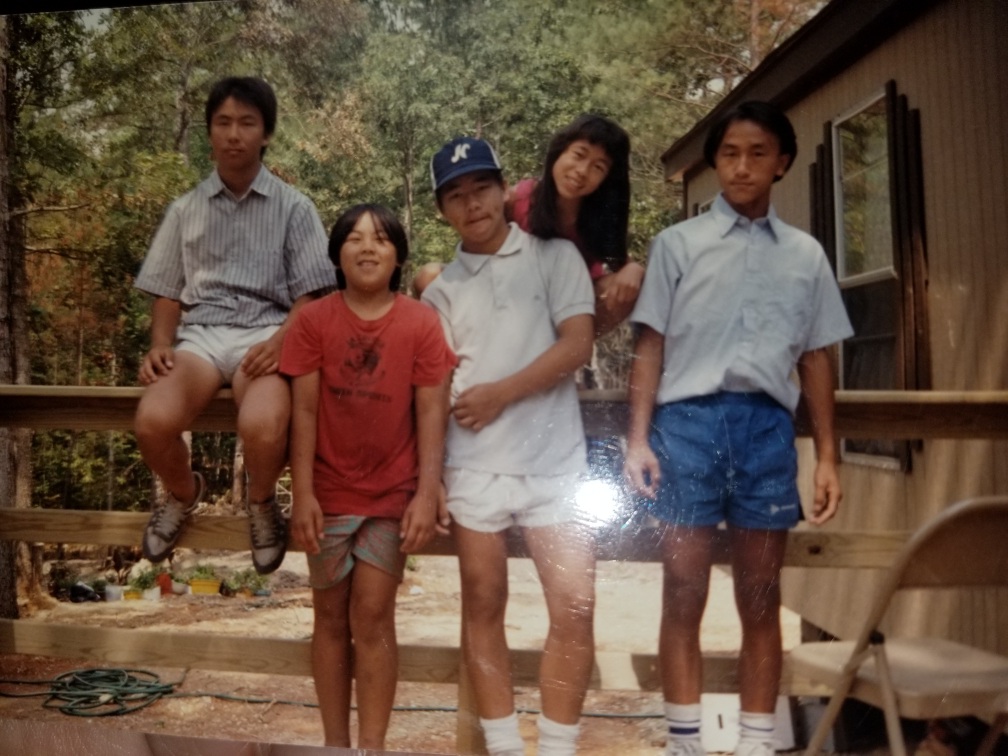
In the bustling port city of Mobile, Alabama, the brothers and their children found a new home, a place where they could begin to heal and to dream once more. The 24 cousins, the sons of the seven brothers, grew up together in this strange new world, their hearts bonded by the ties of blood and the shared memory of all they had endured. Fong, the eldest of Vang Neng's nine sons, emerged as a natural leader. He had the heart of a lion. He watched over his cousins with a fierce and unwavering love, guiding them through the challenges of their new life with the wisdom and patience of a true elder. If the weather was bad, he'd send them to school and pack 11 or 12 of them into his tiny red 2-door Pontiac Fiero. He would pack them in like sardines being shipped to school. He never whined or complained about dirtying up his car. He only ever complained about the horrible deathly stench of the silent killers that were often laid by his mischievous younger brothers. And when it happens, it creates an emergency when you have 12 people packed into a tiny car like a can of sardines. But being the good-hearted and kind person that he was, he took it like a champ and woofed it all in like everyone else did.
Together, the 24 cousins faced the trials and triumphs of their new world, their hearts united by the unbreakable bonds of family. They played beneath the towering oaks of their backyard, their laughter ringing out through the sultry Alabama air. There was one especially special oak tree they all dubbed, "The Big Tree". It was a towering oak tree with limbs that hung all the way down to the ground. This was their happy place. It was the place they ran to when they wanted to get away. Legend has it that the "Big Tree" was once a great Knight who gave his life in the service of his fellow brothers in arms and that is why its branches were so overhung and low. Always, it is reaching out to aid others in need. If a dog was chasing you, all you had to do was run up the giant overhanging limbs to safety. The ancient knight was beloved by the 24 sons, and it became their fortress while they lived in Mobile, Alabama. They studied and worked, their minds afire with the thirst for knowledge and the determination to make their parents proud. But even as they embraced the promise of their new home, the cousins never forgot the sacrifices that had brought them to this moment. They carried the memory of their fallen uncle Hue Vang in their hearts, a flame that would never be extinguished. And they held fast to the lessons of their parents and grandparents, the wisdom and the strength that had sustained their people through generations of struggle and hardship.
Chapter 5: The Rumble in the Jungle
As the cousins grew older and began to navigate the complexities of their new world, they found themselves facing challenges that tested the very foundations of their bond. Though they had escaped the jungles of Laos, they found themselves in another jungle, that being the city and all the bad that comes with it. One thing that plagues all big cities is school violence, and Davidson High was no different. The twenty-four cousins were not immune to such violence and as such, they decided it was time to take matters into their own hands. They confronted their bullies and both parties agreed to settle their differences in the intramural grounds of Davidson High School. The cousins readied themselves with home-made nunchakus made from broom handles. They sparred hard with one another as if they were in real combat because they knew no mercy would be shown to them come fight day.
When Saturday morning came, the young cousins all dressed in combat attire, made their way to the drainage ditch behind the projects on Seabreeze Ct and slowly made their way along the ditch in route to Davidson High. They made their way under the tunnels beneath Azalea Rd and climbed up the banks onto the intramural fields. They confidently marched their way to the center of the fields and awaited their foes, but there was no one in sight. The cousins laughed at one another, poking fun at their foes who had chickened out. Just when they were about to turn around and head home, they heard a singular voice in the distance. "Get them boys!" And before the cousins could ready themselves, they found themselves surrounded by bat and chain wielding high school students twice their size! They were outnumbered at least 5 to 1! What were they going to do? They were outgunned and outmanned. The air was thick with tension as the high schoolers closed in all around them. These were not high schoolers! They were high schoolers who had been held back at least 10 times! They were brandishing 50-pound chains, clubs, crowbars, bats, and any and everything a criminal uses. The much younger cousins, armed with nothing more than a few pairs of homemade nunchakus fashioned from broom handles, knew that they were in for the fight of their lives.
At this exact moment, the cousins knew they were in some deep, deep doodoo, but they also knew that they had each other, that the bonds of blood and love that united them were stronger than any weapon their enemies could wield. And so, with a fierce cry of defiance, they charged forward, their makeshift weapons whirling through the air like the wings of avenging angels. At the head of the charge was Fong, his eyes blazing with a fire that seemed to consume everything in its path. He moved like a whirlwind, his nunchakus a blur of motion as he laid waste to the ranks of the enemy, his every blow a testament to the unbreakable spirit that burned within him. But even as he fought with a skill and ferocity that left his enemies reeling, Fong knew that he could not do it alone. His cousins were with him, their own weapons flashing in the sunlight as they fought side by side, their hearts beating as one. And on and on it went, the twenty-four cousins fighting as one, their courage and their unity a force that could not be denied. They took blows and they dealt them out in equal measure, their blood mingling with the dust and the sweat of the battlefield, but still they pressed on, driven by the fire of their shared resolve.
But even in the midst of their valiant stand, the tide of battle seemed to be turning against them. The older students, their numbers bolstered by reinforcements from the surrounding neighborhood, began to press in from all sides, their weapons flashing in the harsh glare of the afternoon sun. And then, in a moment that would be seared into the memories of all who witnessed it, Fong found himself surrounded, his back pressed against a 12' cadet training wall. In one hand, he held the battered remnants of his nunchakus, the once-smooth wood now splintered and stained with blood and spinning faster than a helicopter blade trying to keep the marauders at bay. And under his left armpit lay the heads of two grown men begging for mercy as he was squeezing the life out of them. Fong fought with all his might, but eventually, he succumbed to their sheer numbers. Before you knew it, he disappeared under a sea of shirtless men. The rest of the cousins thought he was done for, but in that very moment with the cousins all tired and battered and at the jaws of defeat clamping down on them, shrieks and wails of pain started emerging from the depths of the pile. Fearing for their comrades, the men starting pulling each other off the pile. When they reached the source of the wailing and shrieking, they found their friends in agony as chunks of flesh dangled from their bodies. They had him pinned at the bottom of the pile so the only weapon he had at his disposal were his razor-sharp teeth. He tore into their flesh like a ravenous school of piranhas. As they freed themselves from his teeth's deathly grip, Fong became enraged and started to berserk like a mad barbarian. He charged the men like they were a favorite buffet dish as they ran and cried for their mommies. After all, they had not come to fight a crazed China man looking to feast on some good ole southern buffet.
All around him, the battle raged on, the cries of the wounded and the clash of steel against steel filling the air like the soundtrack of a nightmare. But Fong, his eyes narrowed, and his jaw set with grim determination, refused to yield. Even as the blows rained down upon him, even as he felt the white-hot agony of nails tearing into his flesh, he fought on, his every movement a defiance of the pain and the fear that threatened to consume him. With a roar of pure, primal rage, he surged forward, his hands a blur of motion as he laid waste to his attackers biting anyone that let him get close enough, his every blow a testament to the unbreakable will that burned within him. And then, just as suddenly as it had begun, the battle was over. The older students, their ranks broken, and their spirits shattered, fled into the gathering dusk, leaving the cousins bloodied but unbroken, their unity and their courage a shining beacon of hope in a world that had seemed so dark and so cruel. As Fong staggered to his feet, he peeled off two broken 2x4's full of nails off his back sending blood gushing to the ground. His cousins gathered around him, their eyes shining with a fierce, unquenchable pride. They had faced the fires of hell and emerged stronger for it, their bonds tempered in the crucible of shared struggle and shared triumph. And as the sun began to set over the blood-soaked grounds of Davidson High, the 24 cousins stood tall and unafraid, their hearts filled with the knowledge that they could face any challenge, overcome any obstacle, as long as they had each other. They were the sons of warriors, the inheritors of a dream, and they would let nothing stand in the way of their destiny.
Chapter 6: The Gathering of the 24 Sons
Half a century had passed since the Vang brothers first set foot on American soil, their hearts heavy with the weight of all they had lost, but their spirits buoyed by the promise of a new beginning. In that time, the family had grown and flourished, each new generation adding its own chapter to the ever-unfolding story of their clan. But even as they embraced the blessings of their new life, the brothers and their children never forgot the dream that had sustained them through the darkest of times - the dream of a family united, of a legacy that would endure for generations to come. It was a dream that had been born in the heart of Chong Kao Vang, the patriarch of the clan, long before the first shots of war had echoed through the jungles of Laos. He had seen the power of unity, the strength that could be found in the bonds of family, and he had known that it was a gift beyond price, a treasure to be cherished and protected. And so, even as his sons had scattered to the winds, each seeking their own path in the strange new world of America, Chong Kao Vang had held fast to his dream. He had whispered it into the ears of his children and his grandchildren, a secret promise that had sustained them through the long years of separation and struggle.
Now, as the brothers and their families found themselves torn between the promise of opportunity and the specter of the welfare system in Wisconsin and Michigan, Chong Kao Vang knew that the time had come to fulfill his dream. With a heavy heart, he called his sons to him once more, his voice cracking with emotion as he spoke the words that would change their lives forever. "My sons," he said, his eyes shining with a fierce, unquenchable love, "the time has come for us to be together again, to stand as one against the trials and triumphs of this world. We must leave behind the chains of the welfare system, the false promises that would hold us back from our true destiny. We must go to a new land, a place where we can build a life of our own, a legacy that will endure for generations to come." And so, with heavy hearts but unbreakable spirits, the Vang family gathered their belongings and set out for the rolling hills and lush forests of North Carolina. They came together as one, the sons of Chong Kao Vang and their children, the 24 cousins who had been forged in the crucible of war and tempered by the trials of a new world.
In North Carolina, they found a land of opportunity, a place where they could put down roots and watch their dreams take flight. They managed to buy a small plot of land in the town of Wadeville and pulled mobile homes onto the lots. It was not much, but it was home. For once in their lives, they had land to call their own. They could plant fruits and vegetables and raise livestock like chickens. They worked the land with their own hands, their backs aching and their skin baked by the sun, but their hearts filled with the joy of creation and the pride of ownership. This was far from the life of living on welfare, something these proud, proud people hated doing. Never in their lives had they ever received a handout and here they were, at the mercy of a system that would dictate there every move. They sat idly waiting for the monthly welfare checks to come in. And when it was gone, there was nothing they could do about it. It was a hopeless feeling, one that finally drove them to escape to North Carolina in the hopes of a better future.
Once all 24 cousins were reunited in NC, at the center of it all was Fong, the eldest of them all, the one who would rise up to be their father when there was none around. He worked tirelessly to keep the family together, to nurture the bonds of love and loyalty that had sustained them through the darkest of times. He organized gatherings and reunions, great feasts where the laughter of children mingled with the stories of their elders, where the past and the present blended into a single, unbroken tapestry of love and memory. He mediated disputes and soothed hurt feelings, his wise words and gentle touch a balm to the troubled hearts of his cousins. And always, always, he reminded them of the dream that had brought them together, the vision of a family united that had been passed down to them by their grandfather. "We are the sons of warriors," he would say, his voice ringing out like a clarion call across the generations. "We are the inheritors of a dream that cannot be broken, a legacy that will endure for all time."
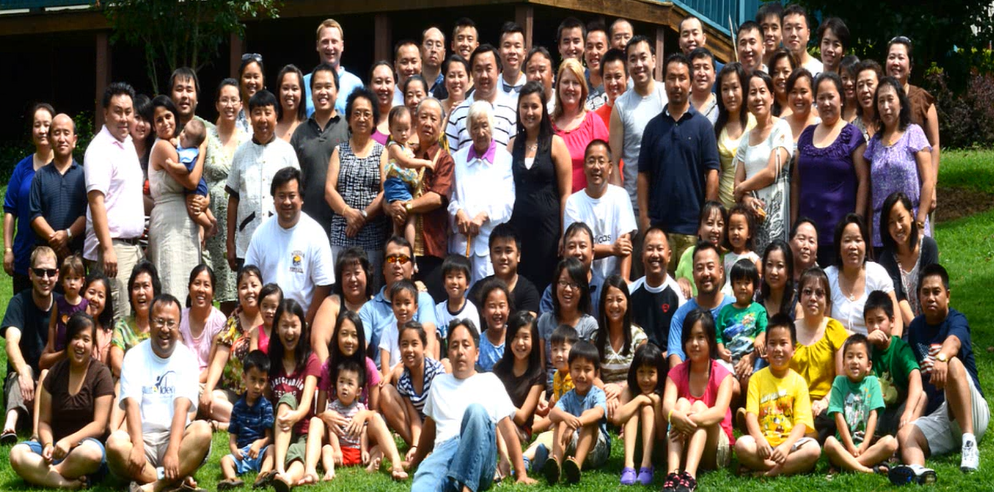
As the years passed and the 24 cousins grew into men, they began to take on the mantle of leadership themselves, each one bringing their own unique gifts and talents to the family. They became doctors, lawyers, engineers, computer scientists, financial experts, teachers, entrepreneurs, community leaders, politicians, and any and everything one could possibly think of. Their success is a testament to the unbreakable spirit that flowed through their veins. But even as they achieved remarkable things in the world beyond the borders of their land, they never forgot the lessons of their past, the sacrifices that had been made so that they might have a future. They gathered often, the 24 cousins and their own children, the next generation of dreamers and warriors, to share the stories of their fathers and their father's fathers, to keep the flame of their heritage burning bright.
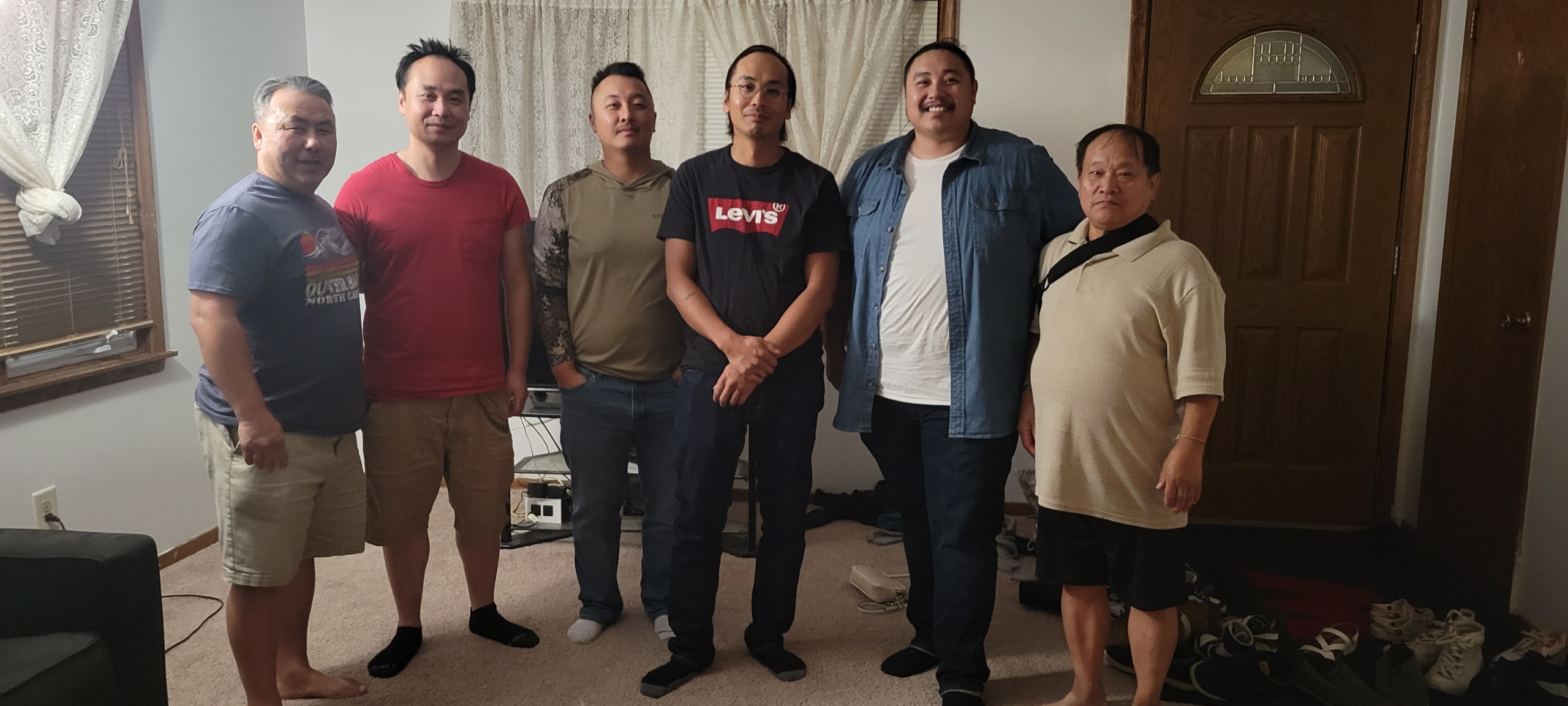
And now, as the sun begins to set on their own lives, the 24 cousins find themselves in a moment of reflection, their thoughts turning to the legacy they will leave behind. They are the sons of warriors, the inheritors of a dream, and they know that they must pass on this precious gift to their own children, just as their father and grandfather did before them. Fong, his hair now gray and his face lined with the wisdom of the years, gathers his cousins around him, his eyes shining with the same fierce, unquenchable love that had burned in the heart of Chong Kao Vang so many years ago. "My brothers," he says, his voice cracking with emotion, "the time has come for us to entrust our dream to the next generation, to pass on the torch of our legacy to those who will come after us." He reaches out and takes the hands of his cousins, his grip strong and sure, a lifeline that binds them together across the years and the miles. "We must teach our children the value of family, the power of unity, and the strength that can be found in the bonds of love. We must show them that they are part of something greater than themselves, a tapestry that stretches back through the generations and forward into the future."
And as the 24 cousins look into each other's eyes, they see the truth of Fong's words reflected back at them. They are the living embodiment of their grandfather's dream, the proof that love and courage can overcome any obstacle, that the bonds of family can never be broken. They know that the road ahead will not be easy, that there will be challenges and struggles that test the very foundations of their strength. But they also know that they will face these trials together, united by the love and the loyalty that has sustained them through the generations. And so, as the sun sets on the story of Chong Kao Vang and Houa Lee, as the torch is passed to the next generation of dreamers and warriors, the 24 cousins stand tall and proud, their hearts filled with the knowledge that they are part of a legacy that will endure forever. They are the sons of the seven Vang brothers, of which only three are alive, left behind to help guide 23 of the 24 sons remaining. It is they who are the inheritors of a dream, and they will let nothing stand in the way of their destiny.
Epilogue: The Legacy Endures
Years turn into decades, and decades into generations, and still the story of the Vang family endures, passed down from father to son, from mother to daughter, a sacred trust that binds them together across the ages. They are a family of warriors and dreamers, of healers and builders, each one bringing their own unique gifts to the tapestry of their shared history. They are the descendants of Chong Kao Vang and Houa Lee, the inheritors of a legacy that was forged in the mountains of Laos and tempered on the battlefields of a new world. And though the world around them changes, though the challenges they face may seem insurmountable at times, they never forget the lessons of their past, the sacrifices that were made so that they might have a future. They hold fast to the bonds of love and loyalty that have sustained them through the generations, the unbreakable ties that bind them together as one.
They gather often, the children and grandchildren of the 24 cousins, to share the stories of their ancestors, to keep the flame of their heritage burning bright. The children listen with rapt attention as the elders speak of the bravery of the eldest, Sia Shoua Vang and how he and his brother-in-law, Wa Ger Xiong, managed against all odds, to guide a group of 200, mostly women, and young children on a grueling two-week long journey through dangerous and hostile mountainous terrain on their way to freedom. They all wept at the story of how younger brother, Hue Vang, had perished during the plight, but rest assure, they were uplifted by stories of the wisdom of Vang Neng Vang, the second oldest and most educated, the one who would lead and guide them into their new world. They were told stories of Doua Pao Vang, and how he held steadfast to all their traditions and customs so they would still have an identity in this strange new land. And for those who were adventurous, there were the tales of Tou Vang, and how he became a T21 fighter/bomber pilot trained by the CIA, all before he'd ever owned a car or driver's license of any kind. Of course, their favorite were the fabled stories of Brother Fong Vang. One could hear the loud sounds of laughter and jubilation miles away at the story of Fong and how he'd single-handedly bitten his way through the enemy ranks to save his younger cousins from an onslaught. As the oldest, he always took on the responsibility and oath of caring for his younger brothers to heart. Protect and defend them, he did at all cost. As expected, being the oldest, he would grow to become the leader of his generation. And in those moments, as the laughter and the tears mingle together in a symphony of love and remembrance, they feel the presence of those who came before them, the guiding spirits of their forefathers watching over them from beyond the veil. They know that they are part of something greater than themselves, a legacy that stretches back through the mists of time and forward into the unknown future. They are the guardians of a dream, the keepers of a sacred trust, and they will not let it fade away.
And so, as the sun rises on a new day and a new generation, the story of the Vang family continues, a shining beacon of hope and inspiration for all who hear it. They are a family bound by love, forged in the fires of adversity, and united by a dream that will never die. Their legacy endures, a testament to the power of the human spirit, a reminder that even in the darkest of times, there is always a light that guides the way. And as long as there are those who remember, as long as there are those who keep the flame alive, the story of Chong Kao Vang and Houa Lee, of the seven brothers and their 24 sons, will never be forgotten. For they are the sons of warriors, the inheritors of a dream, and their story is forever etched in the pages of history, a shining example of what can be accomplished when the bonds of family and love are stronger than any force on earth. And as long as there are those who hold fast to that truth, as long as there are those who keep the dream alive, the legacy of the Vang family will endure, now and forever.
Afterword: The Dream Weavers
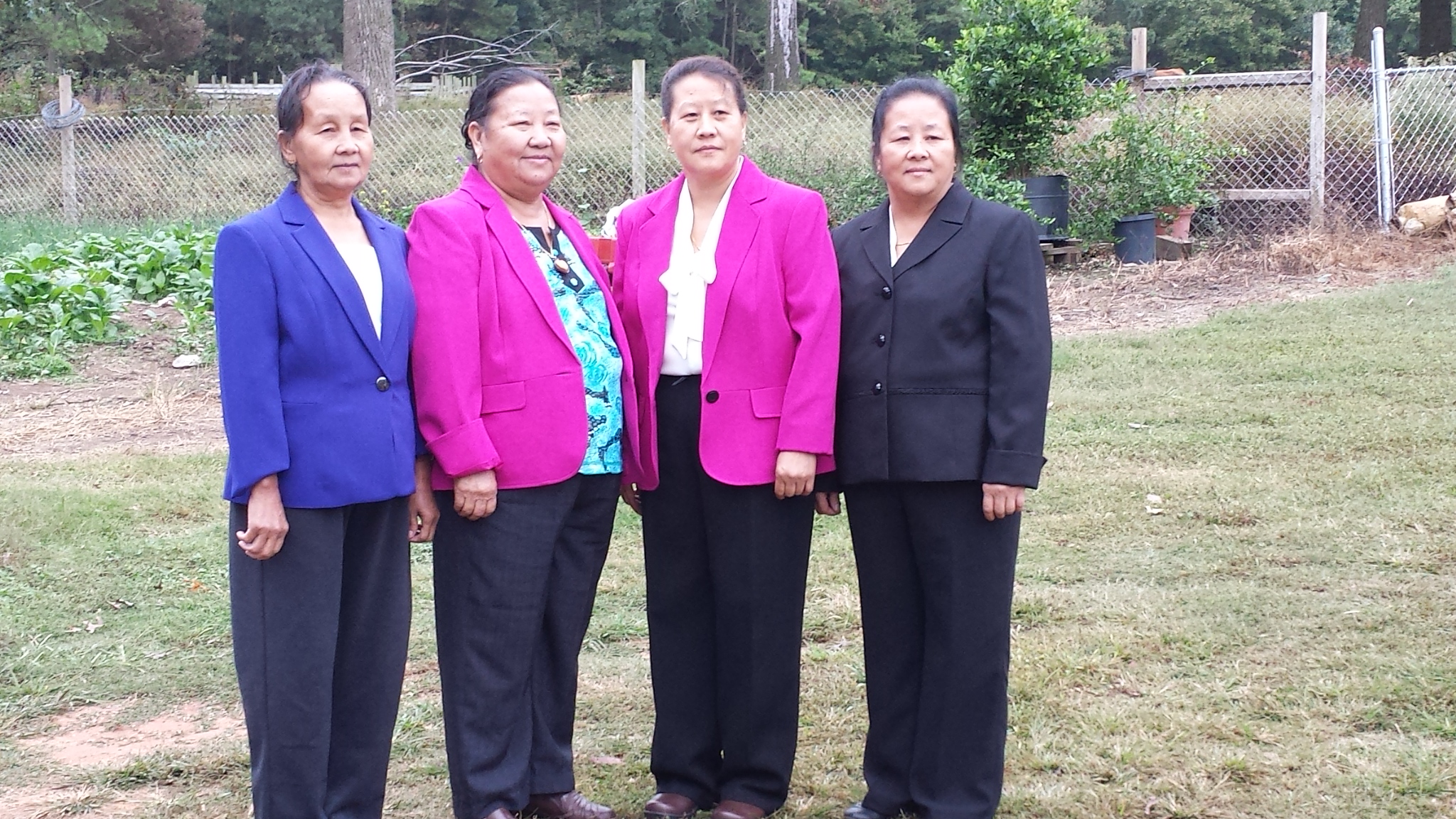
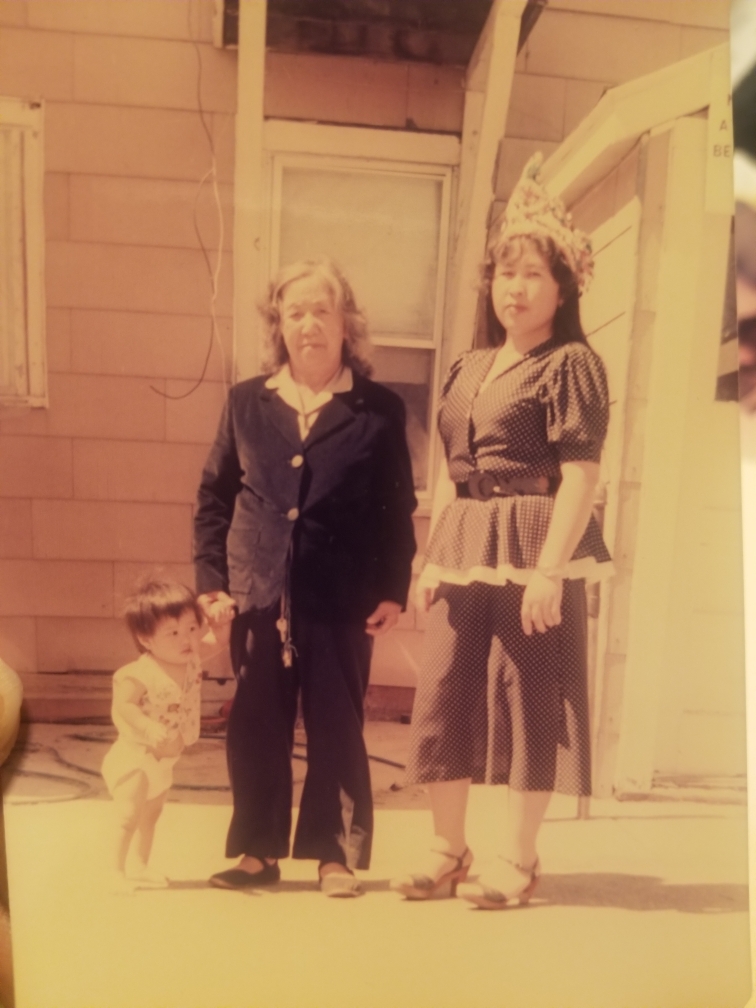
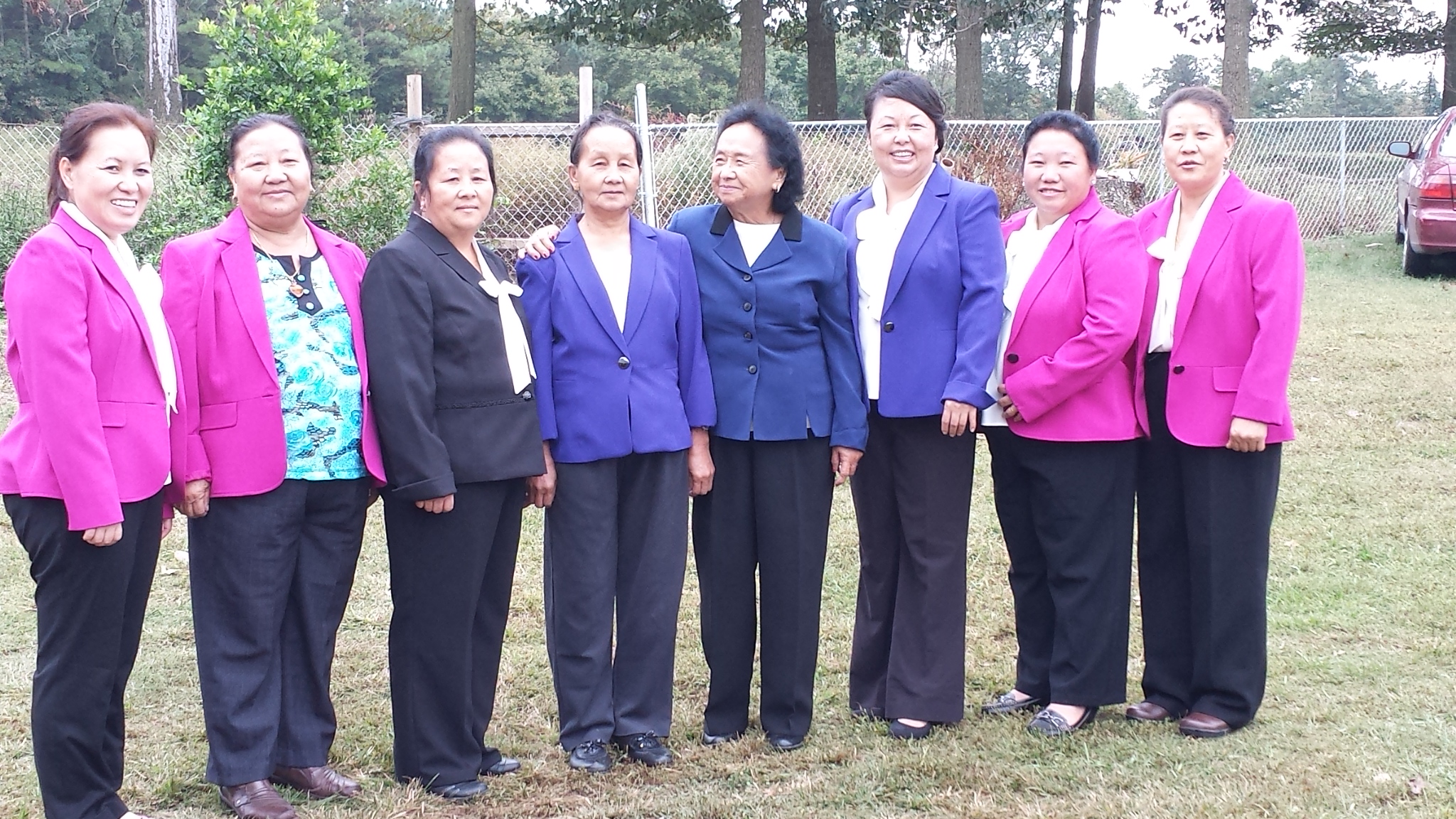
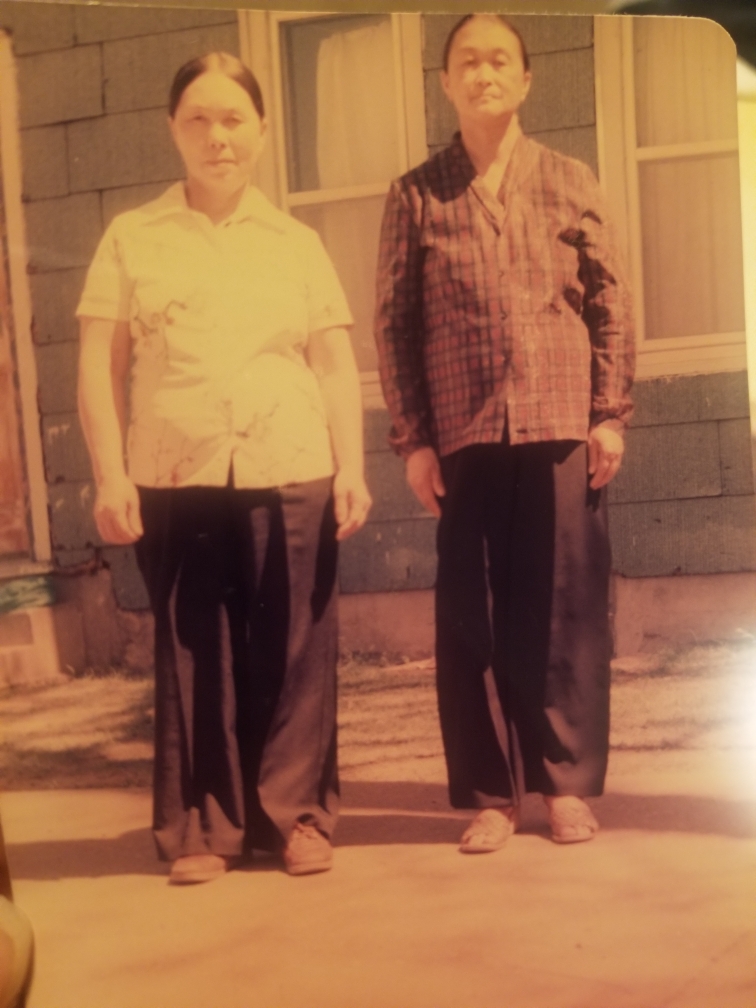
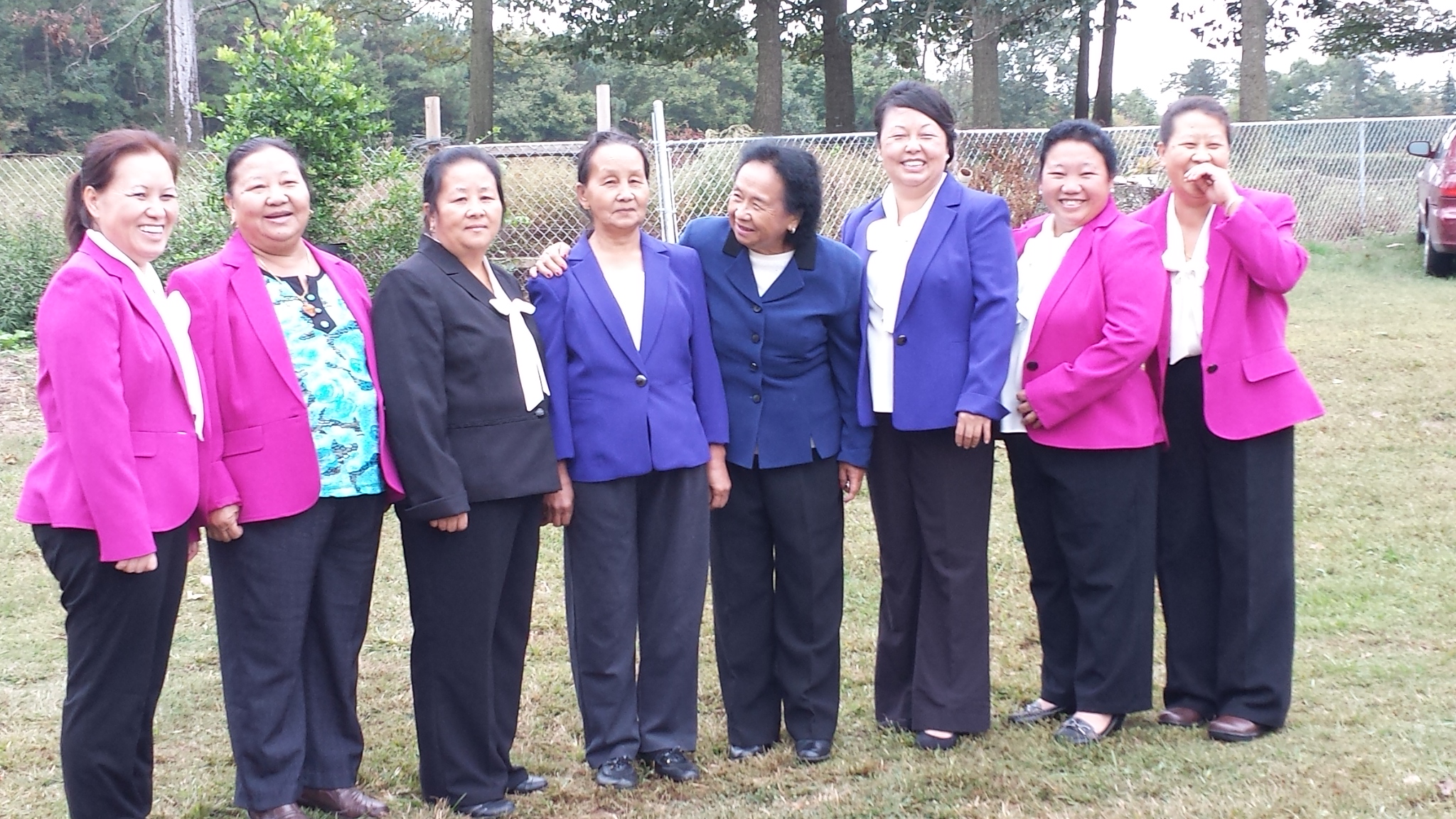
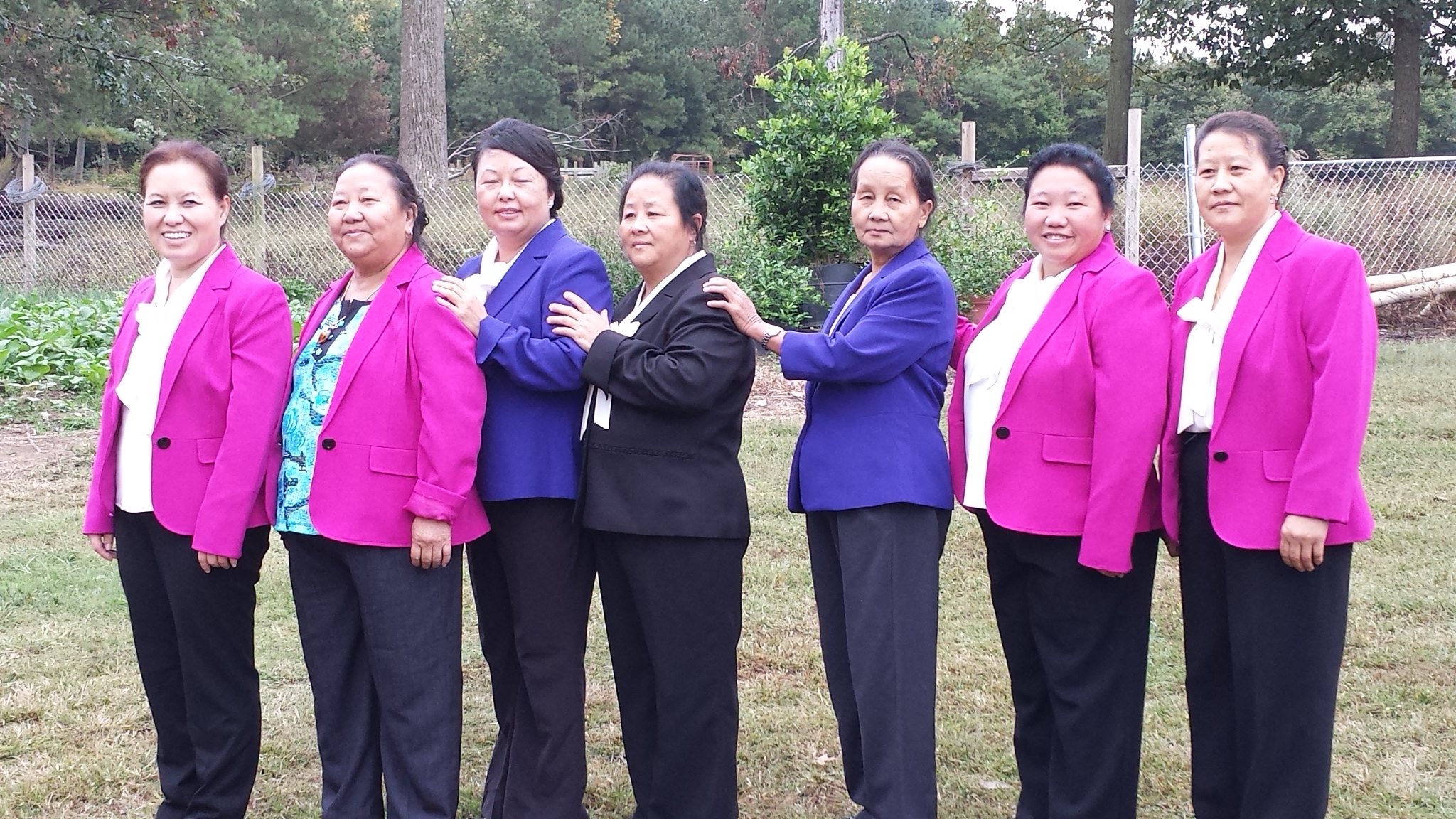
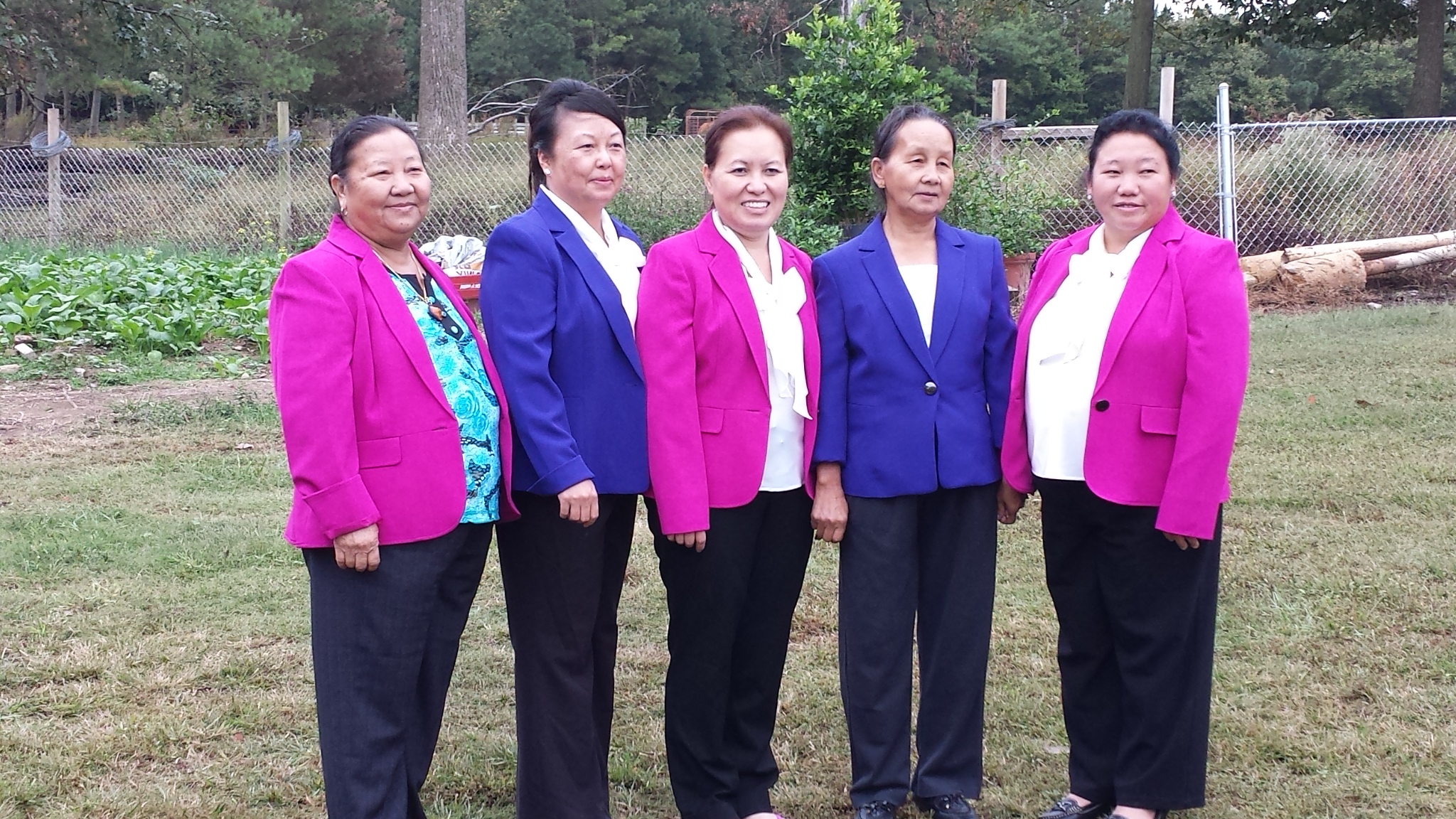
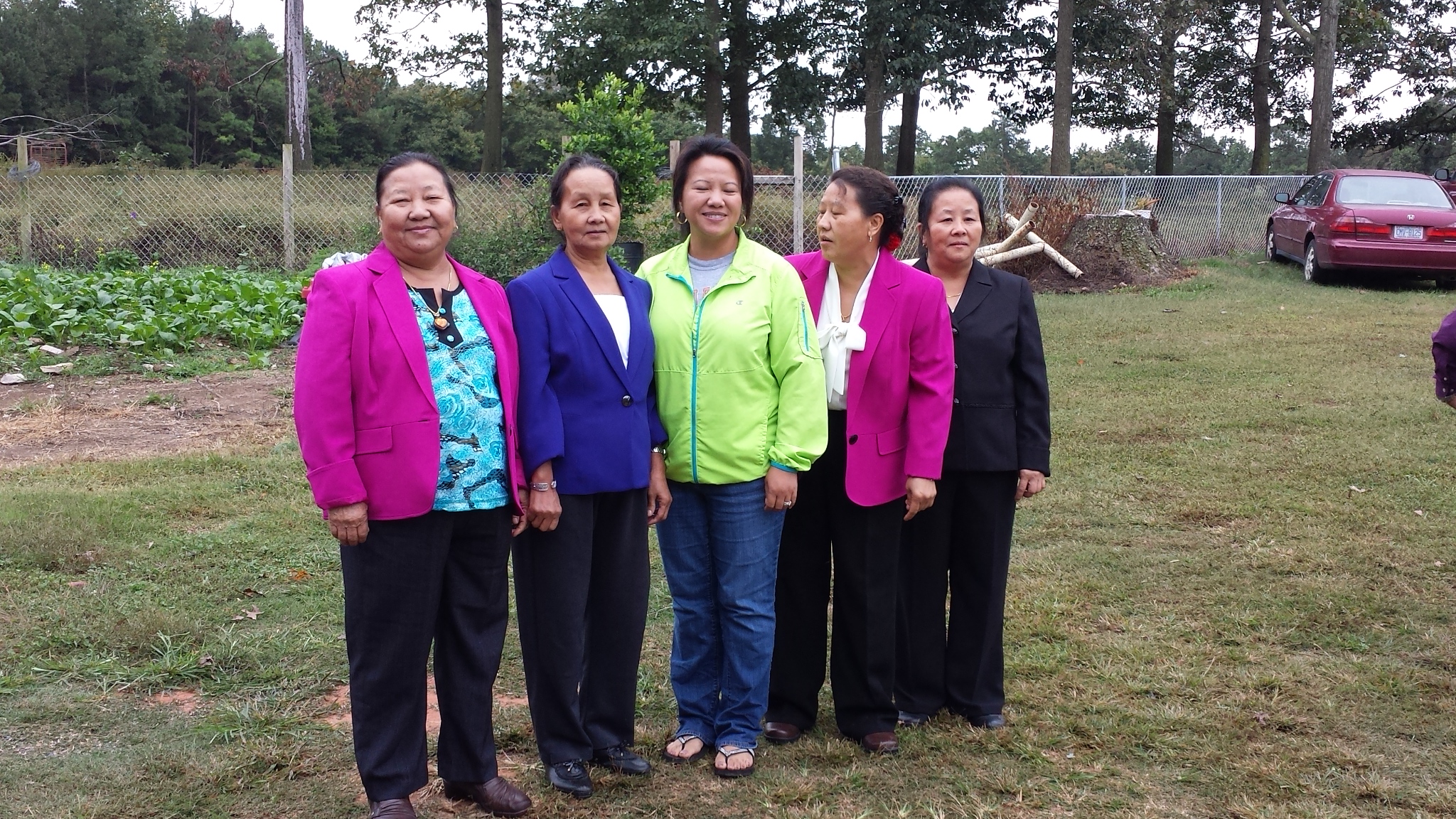
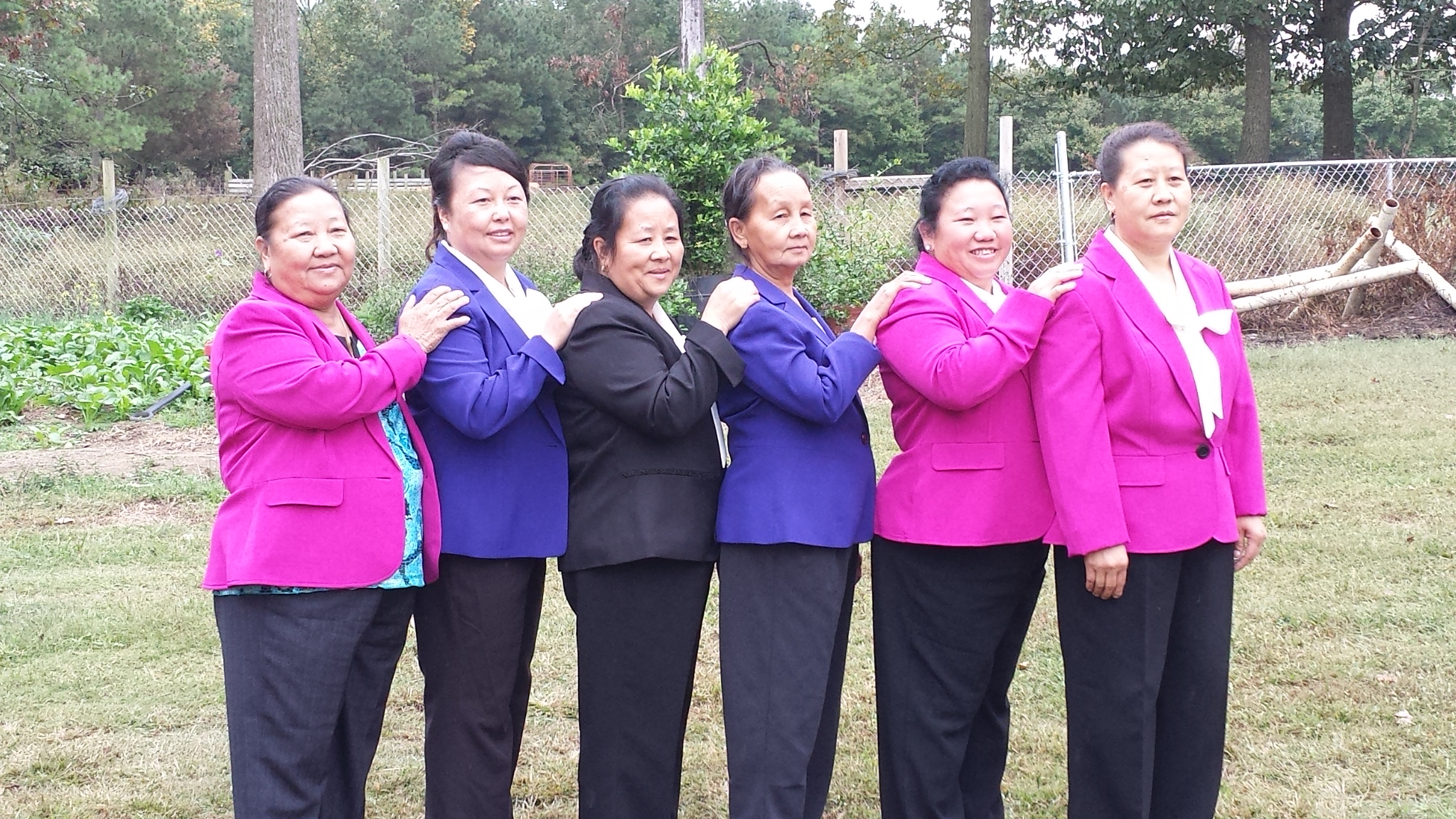
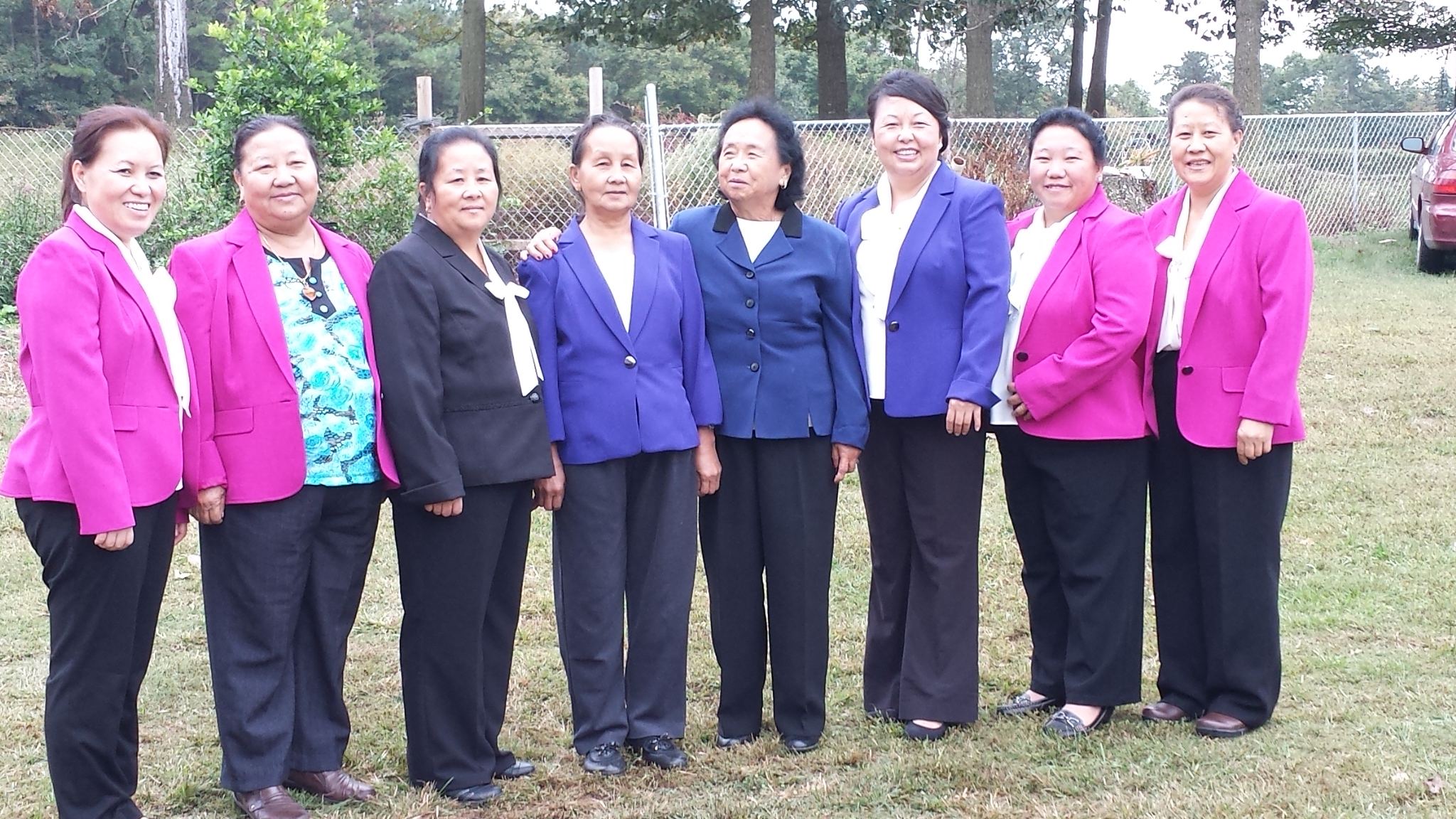
In the narrative of any great legacy, while the names of sons are often spoken, the stories of daughters and mothers can echo silently, their impacts deeply woven into the tapestry of family history without the herald of prominence. Yet, in the story of the Vang family, the women are the true architects of resilience and the unsung weavers of dreams. They have been the cornerstone of hope and the quiet strength that binds this family's spirit across the storms of change. Throughout the generations, women like Houa Lee Vang(matriarch) and Xai Xiong Vang, the first daughter-in-law and family shaman, and the wife of the eldest son, Sia Shoua Vang, have been the custodians of culture and the nurturers of future warriors and dreamers. They have held the family threads tightly in their hands, crafting a future with as much care and intent as the traditional Hmong paj ntaub they stitch. Each loop and knot a testament to their perseverance, each pattern a symbol of their silent resolve and enduring love. Behind every son who carried the family name into the world stood a mother who taught him the values of courage, integrity, and loyalty. It is within these quiet moments of teaching and the gentle embrace of a mother soothing her child that the true legacy of the Vang family has been spun. These women, often behind the scenes, have ensured that the fabric of the family does not fray. They have been the dream weavers—crafting, mending, and reinforcing the dreams of their children under the dim moon light in the highlands of Laos and the fluorescent buzz of life in a new land. Their sacrifices are seldom captured in the annals of history books but are ever-present in the essence of the family's continued prosperity and unity. In celebrating our legacy, we celebrate these remarkable women, whose dreams have woven the vibrant fabric of our family, ensuring that the tapestry remains rich and expansive. Their love and teachings are imprinted in the hearts of their sons and daughters alike, enduring in every step we take, no matter how far we journey from our ancestral beginnings. It is the dream weavers who are the true guardians of the family's future, the keepers of the sacred flame that will light the way for generations to come. And as long as there are women like Houa Lee and her daughters, as long as there are mothers and wives and sisters who hold fast to the bonds of love and loyalty, the legacy of the Vang family will endure, a shining testament to the unbreakable spirit of the human heart. "The Dream Weavers" is their story.